Better Work
Continuing Resolutions
Three things I did this year and want to keep doing in the year ahead.

As a new year approaches, we often turn our attention to things we’d like to begin doing or things we’d like to return to. Instead, I’ve been reflecting on what I did well this year—the things I don't want to lose with the changes another year brings. Here are three things I’m committing to keep up and how I’m challenging myself to take each a bit further.
1. Changing the scenery
For most knowledge workers, work isn’t just one thing. It’s interacting in meetings. It’s reading, reviewing, and analyzing information. It’s focusing deeply to create. Yet, for much of the history of office work, the scenery didn’t change very much. Swapping a desk for a conference table was as interesting as it got for me (and many others). But with all the radical shifts remote work brought, we were left to rebuild the way we work. We were invited to assess which parts of those old routines are helpful to our work and which are the chaff of corporate culture.
For me, doing all my work in a single place is something I not only don’t need but something that keeps me from doing my best. I started with subtle changes like standing during meetings but soon began switching up where I work.
Working from home is great sometimes, but it can also be too quiet. An office with co-workers brings small talk and idea-sharing that’s oft missing in remote environments. Sometimes, though, nearby chatter about relevant topics can distract from pressing tasks. A coffee shop offers a bustling soundtrack for lightning rounds of email replies and other housekeeping tasks. Certain tasks, though, I just can't do well with a laptop-sized screen.
Importantly, my employer allows this flexibility and provides the tools to make transitioning from office to home office to anywhere else a breeze. Even more than allowing remote work, this smooth transition is something HP finds as important to a better relationship with work in their recently released research.
As I build my to-do list for the day or week, I now think carefully about what settings will be best for those tasks. Quite simply, changing the scenery and optimizing it for my work has been invigorating. It’s kept monotony at bay and enabled a new level of focus at each stage of my workflow.
In the year ahead, I’m challenging myself to make one meeting each week a walking meeting. Walk breaks have been a great practice to keep myself moving and center my mind during the workday. Walking meetings, similarly, have been shown to promote focus and creativity. I’ll look for an agenda that doesn’t require screen-sharing and ask other attendees if they’d like to take a walk or, at least, if they mind me taking one. I’m looking forward to these when I’m at a shared office, but I hope my colleagues will appreciate the opportunity even when we’re remote.
2. Seeking lessons from all around
I’m guessing I don’t need to convince you of the value of continued professional growth; it's a good thing. Recent shifts in how we work and the impending changes of further AI adoption make continued learning even more important.
Learning from my co-workers and other marketing research colleagues is tremendously valuable. They’ve faced similar challenges. They can offer both quick fixes to problems too quirky to Google and relevant advice for tackling big, hairy problems. If we draw our circle too small, though, we risk forming an echo chamber. You may have seen this in the past year’s rush to leverage generative AI. It's likely many in your industry (whatever it may be) failed to look far beyond their neighbors to figure out what this new technology meant for them.
I’ve been intentional about learning from people outside my field. Doing so has enriched my perspective and injected my work with new ideas. At times, the analogy between another field and my own is obvious. It can often take some work to make a connection and extract value, but it’s rewarding work.
For example, take presenting the latest results of a brand health tracking study to an executive team. It’s something done frequently in my industry, something quite “figured out”—but how can it be done better? The leader of a state health department’s reflections on what worked and what didn’t as they publicly tracked COVID cases can offer insight. So can the storytelling principles used to create blockbuster movies. Ultimately, I want that executive team to remember the key points, play them back in their minds, and discuss them long after they leave the room. I want them to make accurate interpretations, clearly understand the implications, and make the best decisions. Suddenly, my job’s not so different from that of a screenwriter or public health official.
🔗 For another lesson from cinema, check out this edition of The Plot newsletter
There were a ton of exciting data visualization books released in the past year and I’ve yet to read many of them. For each one I do dig into next year, though, I’m committing to reading a book about something entirely different. I’ve started a stack of books with topics from inclusive transportation policy to ultrarunning's mental challenges. I’m excited to see what lessons they'll bring.
3. Committing to teach others
The most challenging yet rewarding thing I’ve done in the past year is signing up to teach others. As a recovering perfectionist, it can be tough for me to believe I have something good enough to put out into the world. It's even tougher to believe I have something worth teaching. It’s easy to think I need more experience, my processes further honing, and my work more notoriety before I’m ready to show anyone else how something is done. I’ve disproven that this year, though, and I intend to keep the momentum and this belief going in the year ahead.
You don’t need a new role to teach and I didn’t take on one this year. I started small. I committed to lead a half-hour talk with a cross-functional team. Without knowing what I’d share. Without really feeling like I had something to share. But I knew that commitment would push me, and I was right. I reflected on what I could do well and how I could help others. I had recently benefitted from a refresher on preattentive attributes. I'd been working on mindfully incorporating them into my own work. So I decided to show how to leverage them for better communication, from complex data visualizations to routine emails.
As my interest in sharing and teaching has grown, so have the opportunities. I’ve done show-and-tells with other analysts. I’ve started collaborating on new training sessions. I’m working on carving out even more time for teaching. Teaching, it turns out, isn’t a selfless act. Preparing to teach encourages introspection. It forces you to investigate why you do certain things or hold certain beliefs. It helps crystallize your own understanding.
Modeling a willingness to teach and share also fosters a culture where feedback and improvement are the norm. Inviting others to ask questions and critique your work makes them more comfortable doing the same with their work.
🔗 Find tips on getting (and giving) good feedback from Storytelling with Data
In the year ahead, I’m doubling down on the rewarding but still slightly unnerving experience of teaching. I'm committing to share with an even wider audience in my company through training. I already feel the pressure, but I’m channeling it into productivity rather than anxiety and looking forward to what I’ll learn for myself along the way.
What will you keep up?
If you haven’t already done so, I encourage you to reflect on what has worked for you this year and how you’ll carry it forward to keep growing.
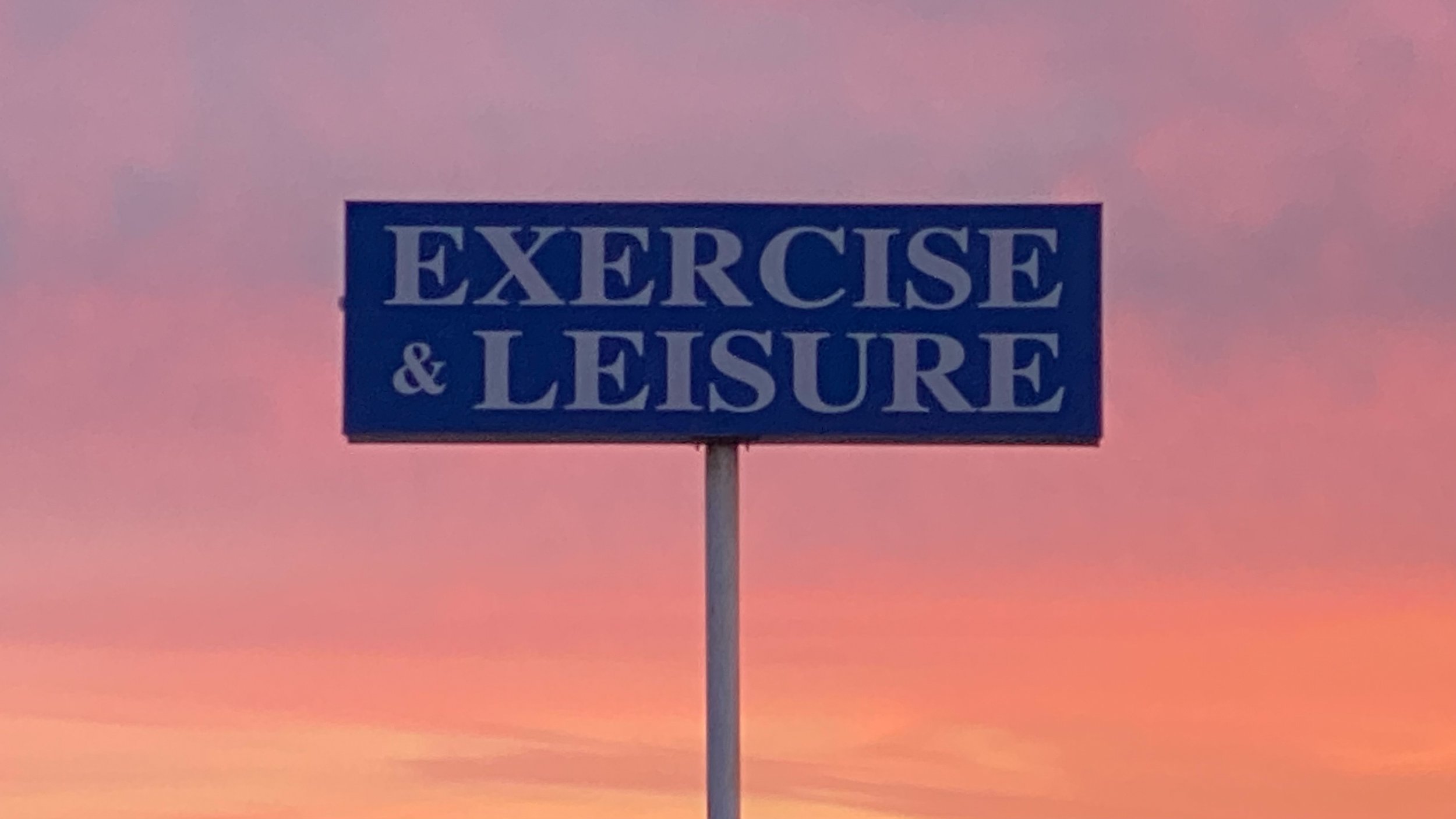
As for personal resolutions, I’m going to heed this sign I saw last week: