Elevated Research
Desire Paths
These unsanctioned routes are a frustration for some urban planners, but others embrace them. For researchers, they offer a reminder to seek continual, iterative improvement.

Some of the best and most memorable lessons that guide my work come from outside marketing research. I love finding parallels to what I do (or should be doing) in completely different contexts.
You’ve undoubtedly seen them and may have contributed to them yourself. Desire paths are the unplanned, eroded routes taken by pedestrians instead of (or because there are no) sidewalks or other infrastructure. They can pop up quite quickly, clearly visible after just a few uses, and are visual reminders of the gaps possible between our designed world and human motivations. They’re a perfect topic for 99% Invisible, which deep dives into those design elements we often overlook or take for granted.
🔗 Find the original 99% Invisible segment here
As 99PI’s segment mentions, the concept of desire paths has been widely adopted by UX designers. Indeed, digital platforms offer a perfect opportunity for observing users’ paths to better accommodate their behavior with future design iterations. Whether or not you’re dealing with a strictly digital space, however, I think desire paths are fantastic inspiration for any consumer-focused research effort.
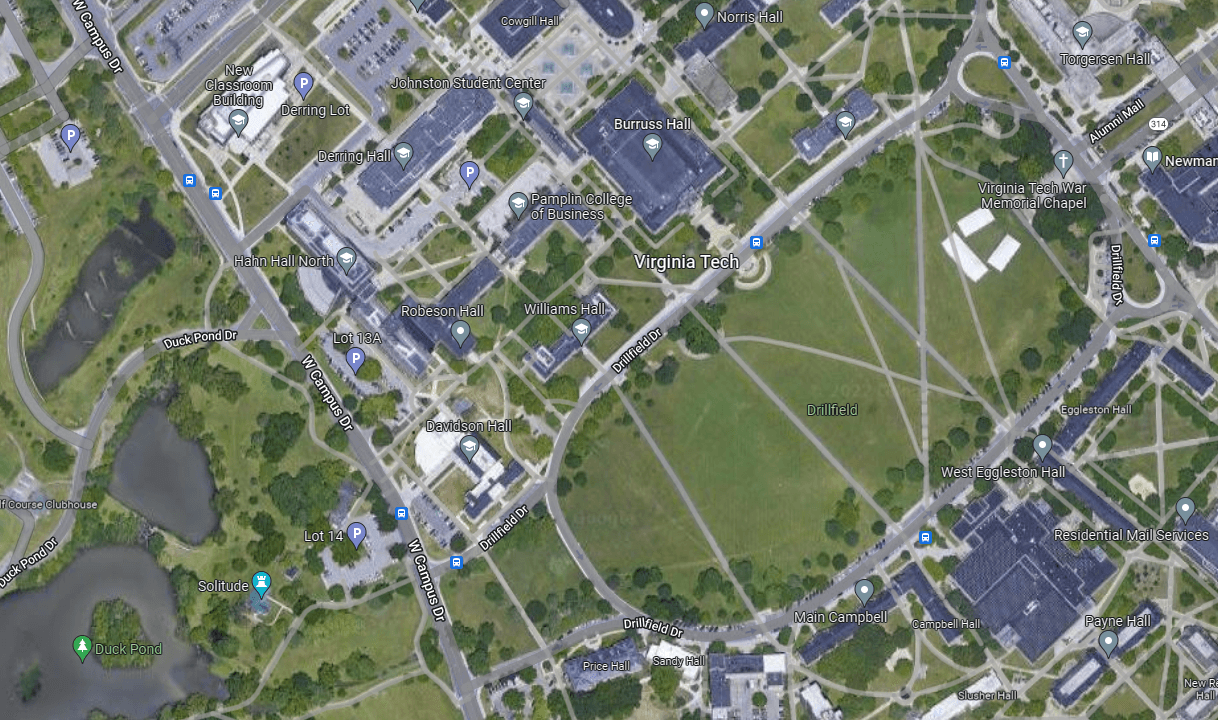
If you’re designing new research, it can be especially beneficial to take an approach analogous to planners at Virginia Tech who waited to pave paths across the campus’ drillfield until they had observed where foot traffic naturally wore down the turf. A crew eager to pave the paths could have turned to their own intuition and familiarity with campus. They could even have based their decisions on other data already at hand such as course schedules from the past few semesters. What might they have missed, though? While you may be knowledgeable about a particular industry or product category, what might you miss by writing a questionnaire without any additional guidance from the very group you plan to survey. Will you pave paths with closed-ended questions that don’t take consumers where they want to go? As the investment and importance of research increases, so too does the potential benefit of identifying common consumer behaviors beforehand. This could rely directly on observation, if possible, but qualitative exploratory research can help capture unexpected motivations and behaviors.
The potential benefit of desire paths doesn’t expire after the initial design of research. In fact, continuing to monitor for new behaviors and re-designing with them in mind is crucial to protect your investment and maintain a valuable decision-making tool. I love the example of park planners in Finland who evaluate paths made through parks in fresh snow and assess their infrastructure for revisions. While it’d be unreasonable to tear out and completely reroute paths through a park each year, adding a new path or two could provide a significant improvement. Similarly, the regular evaluation of longitudinal research for potential tweaks to capture something previously unmeasured can be especially valuable. The imagery of a fresh blanket of snow in Finland is a good reminder, too, that these checks are a great step to conduct seasonally.
Lastly, a lesson to incorporate throughout research is to allow someone to leave a path whenever possible. If you design a questionnaire well, your questions and response options will be relevant. But if you put up rails and prevent anyone from veering off course completely, you’ll never be able to verify that relevancy. Instead of putting up barriers, make deviation easy when it’s needed. If you really want to know what someone does or why they do it, allow them to tell you. If they’re able to tell you something new and provide you with a chance to learn, don’t make them jump a fence to do it. Traditionally, many survey tools provide a disincentive for elaborating or providing an “other” response if they allow one at all. The more respondents can be encouraged to respond accurately even if they are telling you something new, the better off you will be. In the past few years, many new solutions have emerged to better encourage this type of feedback and also improve researchers’ ability to quickly and accurately assess these “new tracks.”