Elevated Research
Uncorking Insights
Aldo Sohm’s Wine Simple is a beautiful, thoughtful guide to wine and while I’m learning a lot about the topic at hand, I couldn’t help but find parallels to my own work in marketing research.
Some of the best and most memorable lessons that guide my work come from outside marketing research. I love finding parallels to what I do (or should be doing) in completely different contexts.
I cringe a bit to use the term, but I guess I could be described as a foodie. I’m an avid cook, I could talk your ear off about different styles of beer, and I could probably make a few cocktails before anyone noticed I don’t actually work at the bar. Show me a wine list, though, and anxiety begins to grow over how I’ll pronounce the wine I blindly selected when the server returns. To remedy this, I picked up a copy of Aldo Sohm’s Wine Simple last week. It’s a beautiful, thoughtful guide to wine and while I’m learning a lot about the topic at hand, I couldn’t help but find parallels to my own work in marketing research. Here are some things Sohm gets that I think are excellent reminders for those in research and insights.
Value comes from guiding, not holding knowledge
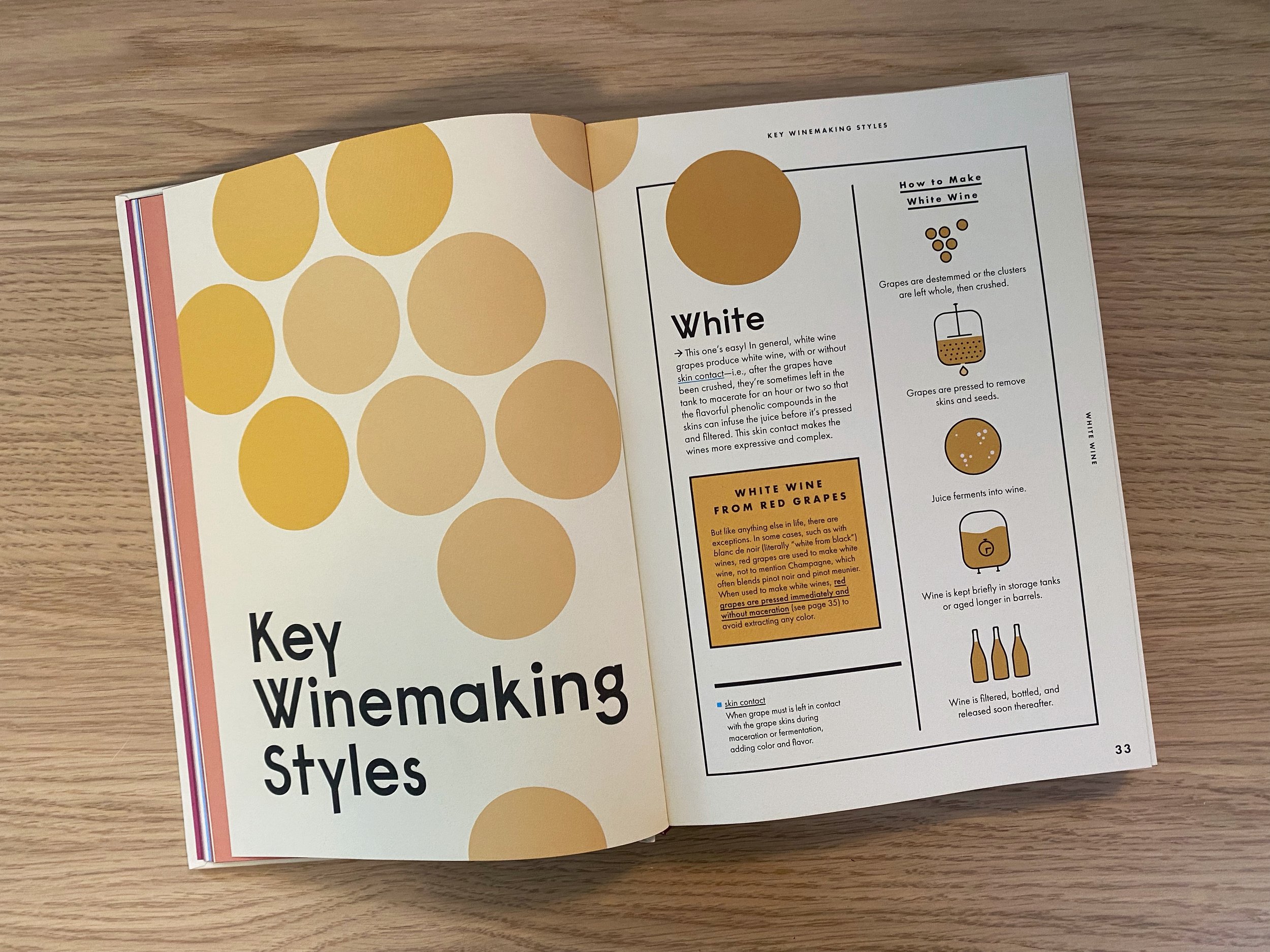
Aldo Sohm knows more about wine than I will ever know. He has a bunch of awards I’ve never heard of thanks to his ability to identify wines in blind tastings. While encyclopedic knowledge is neat, the true value of a sommelier is in helping you get a wine into your glass that you enjoy. Perhaps all of that knowledge is a prerequisite to aid in selecting a wine, but it’s not the end goal. Sohm presents digestible nuggets of information in his book and layers on other details. There's a single characterizing headline for each varietal outlined in one section of the book with a highlighted portion receiving even more emphasis. There’s an excellent understanding of the hierarchy of information and an appreciation that readers will go out and order a wine whether they remember a full-page spread of information or a single sentence—prioritizing the most important information to remember is key to ensuring the best possible decision is made.
Know the source, but know when it matters
Wines are often identified by the grape varietal(s) in them as it’s indeed one of the most impactful elements of the wine. Those with even basic knowledge of wines probably understand the typical characteristics of chardonnay and how it differs from cabernet sauvignon, and that may be enough to make a decision that’s good enough. But if the stakes are high, it may also be important to understand more about the source and what happened to the wine before it ends up in the glass. A backstory about the winemaker may be interesting but it’s likely unimportant. If the wine was grown in soil that imparts a specific minerality or aged in barrels that lend certain flavors, however, that’s helpful to know. Similarly, the comprehensive methodology of a research project probably doesn’t matter to a business audience, but a brand’s worst PR disaster in a decade happening while their consumer research was fielded is crucial context that should shape the interpretation of the data. I recently opened a bottle of wine made with grapes grown in Oregon in 2020. I can’t remember the varietal, but it was quite clear the grapes were grown in an area impacted by the wildfires that stretched across the Pacific Northwest that summer; it was a barbecue in a bottle. Accordingly, Sohm leads with an overview of key varietals that will most often have the greatest impact and then covers important elements of the winemaking process that may warrant consideration.
Speak in your audience’s language
The world of wine is one full of technical terms, appellations, and more. They may be impressive to spout off, but they won’t provide any more confidence to someone unfamiliar with them when it comes to choosing their wine. Similarly, well-intentioned statistical jargon can be lost on decision makers. Sohm peppers footnotes throughout the book to introduce readers to new terms but he also meets them where they are. To express the relative intensity of various wines, he employs a metaphor of EDM, power ballads, and smooth jazz. To recommend a set of staple wines to keep on hand, Sohm references building a wardrobe with basic pieces. These examples are not only easily relatable, but they’re memorable and a lesson that’s remembered is one that can be used. Putting research results in terms users can understand and already use regularly can make all the difference.
Anticipate the situation and tailor the solution
A Google search confirms there are “best wine” awards, but that doesn’t matter to most of us. People have budgets, and personal tastes, and pair their wine with different foods. Objectively “best” matters far less than what is well-suited for a particular occasion. Sohm encourages a conversation with a sommelier to express your preferences, but provides a number of considerations in anticipation of these varying contexts and constraints. There are recommendations for ordering at a restaurant or picking out a bottle from a shop, for picks in certain weather or moods, for things to look for within certain budgets or when you want to splurge, for what to try next if you try something and it’s too sweet or dry or whatever. It is tailored advice like this that is truly valuable. If you can’t collaborate with end users to help them navigate specific situations with your data, you should at least hypothesize and plan for some likely situations. Great analysis and packaging of insights can be immediately undercut if the recommendations conflict with a constraint the decision maker faces. Make sure they know what to do next instead of having to throw away the roadmap and wander off into the dark.
I look forward to learning more about wine and tasting my way through this book over the summer, but I’m thankful now for these reminders to make research more fruitful.